
Hair restoration has become a significant consideration for many individuals facing hair loss. Its relevance stems from the growing societal emphasis on appearance and the psychological impact that hair loss can have on self-esteem.
The advancements in medical technology have made hair restoration procedures more accessible and varied. For those suffering from thinning hair or baldness, understanding the options available can empower them to make informed decisions.
This article explores the effectiveness, costs, and considerations involved in choosing the right hair restoration technique and provider. Whether someone is just starting to notice hair thinning or has experienced significant hair loss, this guide serves as a comprehensive resource.
Is Hair Restoration Effective?
Hair restoration success rates vary widely depending on the method used and individual factors like the cause of hair loss and hair type. Recently, Minoxidil has shown effectiveness in promoting hair growth in various studies.
Transplant techniques, such as Follicular Unit Extraction (FUE), offer higher success rates by transplanting individual hair follicles, ensuring a more natural look. The outcome often depends on the skill of the practitioner, making it crucial to choose experienced professionals.
After hair restoration, some people continue using supplements and topical treatments to maintain results. Consistency and adherence to post-procedural care significantly influence long-term success.
Comparing Treatment Options
There are several hair restoration treatments available, ranging from surgical options like FUE and Follicular Unit Transplantation (FUT) to non-surgical approaches like laser therapy and PRP (Platelet-Rich Plasma) injections. Choosing the right treatment requires understanding the benefits and drawbacks of each option.
Surgical methods generally provide more dramatic results for those with extensive hair loss, while non-surgical methods may be better suited for individuals in the early stages of hair thinning. It is essential to consult with a qualified professional to match personal hair restoration goals with the appropriate technique.
Cost, expected downtime, and the invasiveness of the procedure are crucial factors in choosing between treatments. A thorough evaluation of these elements can help tailor a plan specific to individual needs.
What Are the Associated Costs?
The upfront costs of hair restoration can be substantial, often amounting to thousands of dollars. These expenses vary based on the procedure’s type and complexity, as well as the practitioner’s expertise.
Many clinics offer financing plans to make payments manageable, allowing patients to pay over time rather than in a lump sum. It’s wise to compare pricing and financing options across various providers to ensure that the initial investment is competitive and fair.
In addition to the procedure cost, there are often associated fees, such as medications, travel if visiting an out-of-town specialist, and postoperative care essentials. Having a clear financial understanding can prevent surprises later.
Long-term Financial Commitment
Beyond the initial procedure, hair restoration often requires ongoing maintenance costs. This can include regular follow-ups, additional treatments, or continuous use of specific hair care products.
It’s vital to budget for these recurring expenses as they contribute significantly to the overall financial commitment of opting for hair restoration. Patients should inquire about potential future costs during initial consultations.
Many choose to continue topical treatments, such as Minoxidil, to preserve the effectiveness of the surgery. This long-term approach enhances results but also extends financial investment over time.
How Do I Choose the Right Provider?
Researching a potential provider’s credentials is critical to ensuring a successful hair restoration journey. Checking qualifications, certifications, and previous patient reviews can offer insights into the provider’s expertise and reputation.
Many reputable surgeons are members of professional organizations like the International Society of Hair Restoration Surgery, indicating they adhere to specific standards and ethics. This affiliation can offer an additional layer of reassurance.
It’s also advisable to request before-and-after photos of past patients to evaluate the provider’s work. These visuals can help prospective patients gauge the provider’s skill level and decide if it’s the right fit for their needs.
Consultation Process
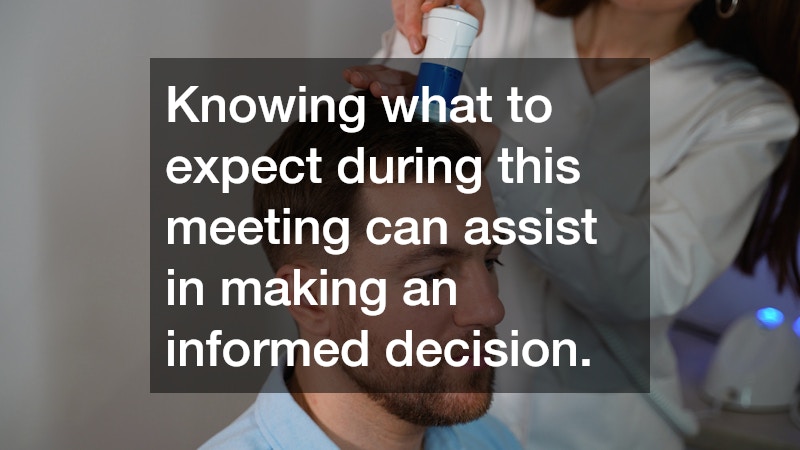
A productive consultation provides an opportunity to ask critical questions and understand the potential outcomes of a hair restoration procedure. Knowing what to expect during this meeting can assist in making an informed decision.
Patients should prepare questions about the provider’s experience, the specific techniques recommended, and post-procedure expectations. Clear communication between the patient and provider can pave the way for a successful experience.
Understanding the timeline, recovery process, and realistic outcomes allows the patient to align their expectations. This clarity can make a significant difference in overall satisfaction with the chosen treatment.
Deciding if hair restoration is right for you involves evaluating the effectiveness of available treatments, considering the costs involved, and selecting the right provider. Each individual’s situation is unique, necessitating thorough research and planning.
While hair restoration can significantly improve self-esteem and quality of life for many, it is not a decision to be made lightly. Identifying personal objectives and aligning them with realistic expectations ensures satisfaction with the results.
By gaining insight into the nuances of hair restoration, readers can make an informed choice that best suits their needs and lifestyle. Empowered with knowledge, individuals can confidently take the next steps toward their hair restoration goals.

