
Improving your quality of life rarely comes down to a single purchase, appointment, or dramatic change. Meaningful progress happens when you make thoughtful decisions about your health and consistently support the routines that keep you feeling your best. Some investments involve professional care, while others involve adjusting your schedule, improving your surroundings, or making time for enjoyable activities.
The smartest approach starts with understanding your needs rather than following every wellness trend. Your priorities may include managing an existing concern, sleeping more comfortably, staying active, or preventing avoidable problems. When you choose services and habits that address those goals, your efforts can complement one another. Better rest can make exercise more manageable, for example, while routine appointments may help you recognize issues before they interfere with everyday life.
Building a practical wellness plan also means considering your budget, preferences, and long-term goals. A written plan can help you identify your next steps. The following strategies highlight different ways to care for your body, protect your comfort, and create routines you can maintain.
Make Timely Medical Care Part of Your Routine
Taking care of yourself starts with knowing where to turn when a medical concern appears. Regular visits with a primary care professional provide opportunities to review medications, discuss symptoms, and determine which screenings are appropriate for your age and health history. These conversations also help you establish a baseline, making it easier to notice changes over time.
However, not every health concern occurs during a scheduled appointment. Knowing the location and hours of a nearby urgent care facility can be useful when you need attention for a nonemergency problem, such as a minor sprain, a mild infection, or a small cut that may require evaluation. Urgent care is not a substitute for emergency services, particularly when symptoms include chest pain, severe breathing difficulty, or signs of a stroke.
It helps to review your insurance coverage and learn which facilities participate in your network before you need an appointment. Keep a current list of medications, allergies, and relevant health conditions nearby. These small preparations can reduce confusion when you’re ill.
Investing in timely care doesn’t mean booking unnecessary visits. It means recognizing when professional guidance is appropriate, following recommended preventive schedules, and asking questions about concerns that affect your daily activities. This proactive mindset gives your other wellness efforts a stronger foundation.
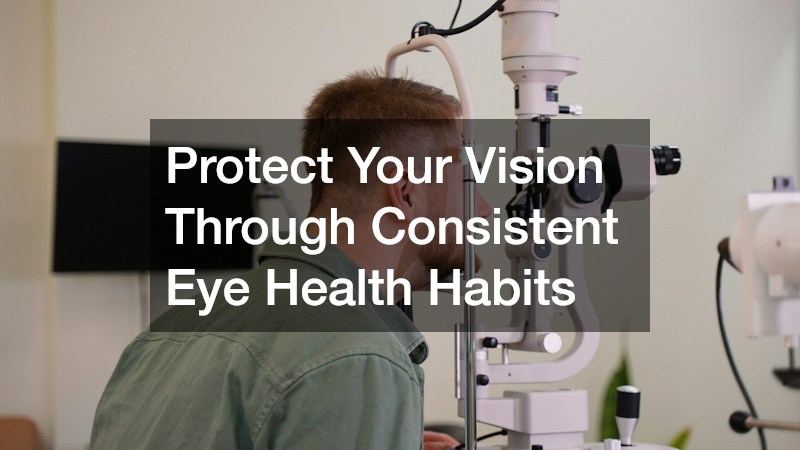
Protect Your Vision Through Consistent Eye Health Habits
Clear vision supports daily activities, from working and driving to reading, cooking, and enjoying time outdoors. Yet eye health deserves attention even when your vision seems unchanged. Routine eye care can help identify prescription changes and may detect certain eye conditions before noticeable symptoms develop.
The appropriate examination schedule depends on factors such as your age, medical history, family history, and whether you wear corrective lenses. An eye care professional can recommend a schedule that fits your circumstances. Mention headaches, blurred vision, dryness, or difficulty seeing at night rather than assuming these concerns are simply part of getting older.
Everyday habits matter, too. If you spend hours looking at a computer, take regular breaks to look into the distance and remember to blink. Adjust screen brightness, improve lighting, and position your monitor comfortably. Sunglasses that offer ultraviolet protection can also help protect your eyes outdoors.
Consider how your work and hobbies influence your needs. Protective eyewear may be necessary for tasks involving flying debris, chemicals, or certain sports. If you use contact lenses, follow cleaning and replacement instructions carefully.
Supporting your eyesight is a practical investment in independence and comfort. Small decisions about examinations, protective equipment, and screen habits can make a noticeable difference in how comfortably you navigate each day.
Prioritize Oral Health and Proper Dental Alignment
Your mouth plays an important role in eating, speaking, and feeling comfortable around other people. Consistent brushing and flossing provide a foundation, but preventive dental care adds professional monitoring that home routines cannot replace. Dental visits can reveal early signs of cavities, gum problems, and other concerns that may require treatment.
Ask your dentist how frequently you should schedule cleanings and examinations based on your oral health history. Discuss sensitive teeth, bleeding gums, persistent bad breath, or discomfort when chewing. Addressing these symptoms promptly may help you avoid more involved treatment later.
Alignment deserves consideration as well. An orthodontist evaluates how teeth and jaws fit together and whether an alignment issue affects your bite, comfort, or ability to clean certain areas. Orthodontic treatment isn’t necessary for everyone, and the decision should reflect an individual evaluation rather than appearance alone. Adults as well as children may benefit from an assessment when needed.
Daily choices reinforce professional care. Use fluoride toothpaste, replace worn toothbrushes, and avoid treating sugary drinks as an all-day beverage. If you grind your teeth or play contact sports, ask about protective devices suited to your situation.
When planning expenses, remember that preventive visits and possible alignment treatment may involve different insurance benefits or payment arrangements. Reviewing those details before treatment makes it easier to create a sustainable oral health plan.

Approach Weight Management With Realistic Expectations
Weight-related goals are personal, and health cannot be reduced to a number on a scale. Depending on your circumstances, you may want to improve stamina, support mobility, manage a condition, or establish more consistent eating patterns. A realistic plan respects your medical history, schedule, food preferences, and relationship with exercise.
For additional guidance, a local weight loss service may offer structured appointments, nutrition education, or accountability. Services differ, so ask who supervises the program, what qualifications team members hold, and whether recommendations are tailored to individual health needs. Be cautious about promises of rapid results or approaches that require extreme restrictions.
Lasting habits often start small. Preparing satisfying meals, including a range of nutritious foods, drinking water regularly, and choosing movement you enjoy can be more manageable than attempting a complete lifestyle overhaul. Sleep and stress also deserve attention because they influence how easily you maintain everyday routines.
Progress can be measured differently. You might notice that stairs feel easier, you’re preparing meals more regularly, or physical activity no longer leaves you as tired. Those observations can provide helpful context beyond changes in weight.
If you have a medical condition, take medication, or are considering a significant dietary change, discuss your plans with an appropriate healthcare professional. The goal is to support your well-being through habits you can maintain, not to chase someone else’s definition of success.
Evaluate Personal Care and Circulation Concerns Thoughtfully
Wellness can include feeling comfortable with your appearance, but optional cosmetic services should be approached with the same care as other health decisions. A med spa service may offer treatments involving skin care, cosmetic procedures, or other appearance-related goals. Since offerings and provider qualifications vary, research the specific procedure because risks vary.
Before scheduling, ask who will perform the service, what training or licensing is required, and what side effects or recovery needs you should expect. Discuss medical conditions, medications, and allergies that might affect your options. A reputable consultation should explain realistic outcomes and leave room for questions without pressuring you to proceed.
Some appearance concerns also overlap with medical symptoms. Visible veins, for example, may be primarily cosmetic for one person but accompanied by aching, swelling, or skin changes for another. Professional evaluation can help determine whether vein treatments are appropriate and whether additional testing is needed. Seek prompt medical attention for sudden swelling or pain in one leg, especially with redness or warmth.
There are also straightforward ways to support everyday comfort, including regular movement and taking breaks from prolonged sitting. These habits won’t replace medical assessment when symptoms warrant it, but they can be part of a broader routine.
Invest in services that fit your priorities and informed preferences. Understanding possible benefits, limitations, and costs helps you make decisions grounded in your own well-being rather than outside expectations.

Create a Sleep Environment That Supports Better Rest
Sleep influences concentration, mood, energy, and your ability to manage daily responsibilities. When rest is inconsistent, even enjoyable plans may feel exhausting. Improving your sleep routine can therefore be valuable to your well-being.
Start by examining your bedroom. Light, noise, room temperature, and bedding can all affect how comfortable you feel at night. Shopping for bedsheets for better sleep is one possible step, especially if sheets trap heat, irritate your skin, or feel uncomfortable. Choose materials and textures that suit your preferences, and consider how easily the fabric can be washed and maintained.
A consistent schedule is equally important. Try to keep similar sleep and wake times, create a calming wind-down routine, and limit late-night distractions when possible. If bright screens keep you engaged long after bedtime, set a practical stopping point or move your phone away from the bed.
Think about the entire sleep setup rather than expecting one product to solve every difficulty. A supportive mattress, suitable pillow, comfortable temperature, and reduced nighttime noise may work together to create a more inviting space.
Persistent snoring, significant daytime sleepiness, or ongoing difficulty sleeping deserves a conversation with a healthcare professional. These symptoms shouldn’t be dismissed as merely inconvenient. By combining thoughtful bedroom choices with consistent habits, you can make restful nights a more dependable part of everyday wellness.
Stay Active Through Enjoyable Social Activities
Physical activity doesn’t have to revolve around a gym membership or a strict training schedule. The most sustainable forms of movement are often the ones you enjoy. Walking with friends, gardening, cycling, and dancing can all provide opportunities to move your body while spending time doing something meaningful.
For people interested in learning a new skill, ballroom dance lessons bring movement and social interaction into the same activity. Practicing steps, following rhythms, and moving with a partner can challenge coordination and encourage regular participation. Classes may also offer a welcoming reason to leave the house and meet people with similar interests.
You don’t need prior experience to explore beginner-friendly options. Look for classes that match your comfort level, ask about footwear, and find out whether a partner is required. Starting with shorter sessions can help you assess your endurance and decide what pace feels appropriate.
Variety makes an activity routine more appealing. Combine enjoyable classes with strength-building exercises, stretching, and walking as able. If you’re returning to movement after an injury or managing a condition, seek guidance about suitable modifications.
Consider social enjoyment a meaningful benefit rather than an afterthought. Scheduling an activity with other people can give you additional motivation to attend, while learning something new may add a sense of accomplishment. Invest in movement that enriches your week instead of treating exercise as another obligation.

Balance Relaxation, Recreation, and Long-Term Planning
Rest and recreation deserve a place alongside appointments and fitness goals. People often focus so intensely on responsibilities that they leave little room for recovery or enjoyable downtime. Making space for relaxing activities can help you maintain a healthier balance without requiring an extravagant vacation or an entirely new routine.
For some households, swim spas provide a way to combine water-based movement with time spent relaxing at home. These installations vary in size and features, and certain models allow users to swim against a current or perform gentle aquatic exercises. Before purchasing one, consider available space, installation requirements, ongoing maintenance, energy expenses, and safe use. Water activities should match your physical abilities, and hot water may be unsuitable for some health conditions.
Of course, meaningful recreation doesn’t need a major purchase. Visiting a community pool, enjoying a nearby park, reading outside, or scheduling an afternoon with friends can all create opportunities to recharge. Choose experiences that suit both your lifestyle and financial situation.
A useful wellness budget separates essential care from optional upgrades. Prioritize needed medical appointments, routine screenings, and treatments before committing to extras. Then decide which activities or home improvements would genuinely enhance your daily life.
Revisit your choices periodically. Your needs may change with your schedule, health, family responsibilities, or interests. Investing wisely in quality of life means choosing sustainable options that support how you want to live, then adjusting your plan as life evolves.