The physical space where you spend a significant portion of your life has a direct, profound impact on your overall well-being. A home should be a safe haven that promotes physical vitality, mental clarity, and emotional relaxation. However, invisible pollutants, biological contaminants, hidden moisture problems, and synthetic materials can silently compromise your well-being over time. Improving your living environment requires a thoughtful, comprehensive strategy that addresses the air you breathe, the water you consume, the cleanliness of your structural systems, and the materials that surround you. By making deliberate, health-focused adjustments to your indoor space, you can create a clean, rejuvenating sanctuary that actively supports your wellness goals for years to come.
Optimizing Indoor Air Quality and Circulation

Indoor air can contain a high concentration of dust mites, mold spores, pet dander, and volatile organic compounds. Because modern homes are built with tight seals to improve energy efficiency, these pollutants often become trapped inside, circulating continuously through your living spaces. Prioritizing proper ventilation, effective filtration, and system maintenance ensures that the air circulating through your bedrooms and common areas remains fresh, clean, and free of allergens.
Maintain Your Heating Systems Regularly
An improperly maintained heating unit can compromise indoor air quality by accumulating dust, soot, and dangerous gas byproducts. Scheduling annual inspections and routine furnace service ensures that combustion components operate cleanly and efficiently without venting harmful carbon monoxide or fine particulate matter into your living quarters. Technicians can clean burner assemblies, test heat exchangers for micro-cracks, and inspect safety controls to prevent indoor air contamination. In addition to professional checkups, homeowners should replace air filters every one to three months depending on household size and pet ownership. High-efficiency particulate air filters capture microscopic debris before it can circulate through bedrooms and common areas, drastically reducing seasonal allergy flare-ups and respiratory discomfort.
Consider System Replacement for Outdated Units
When heating units reach the end of their operational lifespan, they tend to run inefficiently, cycle inconsistently, and harbor persistent debris within their internal cabinets. Upgrading to a modern, energy-efficient system significantly improves indoor air climate management and overall efficiency. When looking into furnace installation companies, choose a certified contractor who performs load calculations to match the precise size of your space rather than simply replacing the old unit with an equivalent model. An oversized or undersized unit leads to short-cycling, which fails to control humidity properly and allows dust to settle in living zones. Proper installation guarantees that incoming fresh air is conditioned evenly, maintaining stable indoor temperatures and preventing sudden moisture shifts.
Keep Ventilation Channels Clean and Debris Free
The ductwork in your home serves as the respiratory tract of your heating and cooling system, carrying conditioned air into every room. Over years of operation, dust, construction debris, mold spores, and pest droppings accumulate within these concealed metal or fiberglass channels. Engaging a certified provider for air duct cleaning eliminates accumulated dust deposits that recirculate every time the blower fan activates. Professional technicians utilize heavy-duty vacuum systems equipped with high-efficiency filtration alongside mechanical brushes to scrub the internal surfaces of the ducts. Clearing these pathways reduces mechanical strain on your heating and cooling equipment while noticeably decreasing the amount of settled dust on furniture and floors.
Protecting Your Water Supply and Household Plumbing

Water quality directly affects hydration, digestion, skin health, and hygiene. Municipal water supplies often contain chlorine, heavy metals, industrial byproducts, and trace pharmaceutical compounds, while well water can harbor nitrates and mineral buildup. Taking proactive measures to ensure pristine water for drinking, cooking, and bathing is a cornerstone of a healthy indoor ecosystem.
Clean Main Drainage Lines Preventatively
Subterranean plumbing pipes carry wastewater away from your living space, but tree root intrusion, grease buildup, and structural sagging can lead to backing up into sinks, tubs, or basements. Sewage backups pose extreme health hazards, releasing dangerous bacteria, viruses, and noxious fumes directly into living quarters. Booking routine inspections with sewer cleaning services keeps main lines clear and identifies structural defects before severe backups occur. Professional plumbers employ high-definition video inspection cameras to assess pipe integrity and high-pressure water jetting to clear stubborn obstructions without harsh chemical treatments. Maintaining clear main drainage pathways ensures dirty water flows away quickly, protecting your household from hazardous waste exposures.
Address Clogs Quickly to Stop Moisture Hazards
Slow-draining sinks, standing shower water, and toilet blockages are more than mere inconveniences; they create prime breeding grounds for pathogenic bacteria and harbor excessive moisture. When organic material decomposes inside a stagnant pipe, it releases foul odors and attracts small insects that carry bacteria onto surrounding bathroom surfaces. A localized drain blockage should be cleared immediately using mechanical tools like drain snakes or biological enzyme treatments rather than harsh chemical formulas. Chemical cleaners can corrode older pipes, emitting aggressive fumes that irritate skin and lungs. Clearing obstructions promptly prevents wastewater overflow, reduces humidity spikes in bathrooms, and maintains sanitary conditions across all household plumbing fixtures.
Filter Tap Water at Point of Entry or Consumption
Drinking clean, micro-filtered water is critical for cellular health, energy levels, and organ function. Tap water can carry dissolved solids, microplastics, chlorine residue, and heavy metals that subtly impact taste and long-term vitality. Reviewing options offered by reputable water filter system companies allows homeowners to select filtration setups tailored to their specific water composition. Reverse osmosis units, multi-stage carbon block systems, and whole-house filtration units target distinct contaminants, removing unwanted elements while retaining essential mineral balances. Pure water encourages better daily hydration habits among family members, supports skin health during showering, and eliminates exposure to trace chemicals found in public infrastructure.
Managing Moisture, Leaks, and Structural Integrity

Excessive moisture is one of the most destructive forces in any residential environment. High humidity and standing water encourage mold growth, structural deterioration, and dust mite proliferation, all of which compromise human health. Controlling water intrusion and maintaining structural integrity protects indoor air quality and safeguards the physical envelope of your home.
Act Fast on Water Intrusions
Whether caused by a burst pipe, heavy storm run-off, or an appliance leak, stagnant water swiftly damages drywall, subfloors, and internal wall cavities. Mold spores can germinate on wet organic materials within 24 to 48 hours, releasing mycotoxins and airborne allergens that trigger severe respiratory reactions. Engaging certified professionals for water damage restoration ensures that moisture is completely extracted from both surface materials and hidden structural cavities. Restorers utilize industrial dehumidifiers, air movers, and thermal imaging cameras to identify concealed moisture pockets behind walls and beneath flooring. Thorough structural drying prevents structural wood rot, stops active mold colonies from forming, and preserves safe indoor air quality.
Inspect Roofs and Foundations Annually
Water can slowly seep through tiny roof breaches, damaged flashing, or foundation hairline cracks, creating concealed damp spots that fester over months without detection. Inspecting your attic space during heavy rainfall helps you spot subtle discoloration on rafters, wood sheathing, or insulation before major structural damage occurs. Inspecting the basement or crawl space for efflorescence, a white powdery mineral deposit left by evaporating groundwater, helps identify moisture migrating through masonry walls. Addressing small exterior breaches using high-quality sealant or masonry repairs prevents hidden damp zones from degrading indoor air quality. Maintaining dry structural foundations ensures that subterranean humidity does not migrate upward into primary living zones.
Maintain Balanced Indoor Humidity Levels
Relative humidity in a healthy home should ideally remain between 30% and 50% year-round. Excessively dry air causes dry skin, irritated sinus passages, and increased susceptibility to viral infections, while excess humidity fosters dust mites, mildew, and fungal growth. Installing standalone or whole-house dehumidifiers in damp basements keeps airborne moisture in check during humid months. Conversely, using ultrasonic or evaporative humidifiers during winter heating months adds gentle moisture to relieve respiratory passages. Monitoring your home with low-cost digital hygrometers allows you to adjust ventilation and moisture control equipment before humidity imbalances affect your health.
Eliminating Pests Without Chemical Toxins
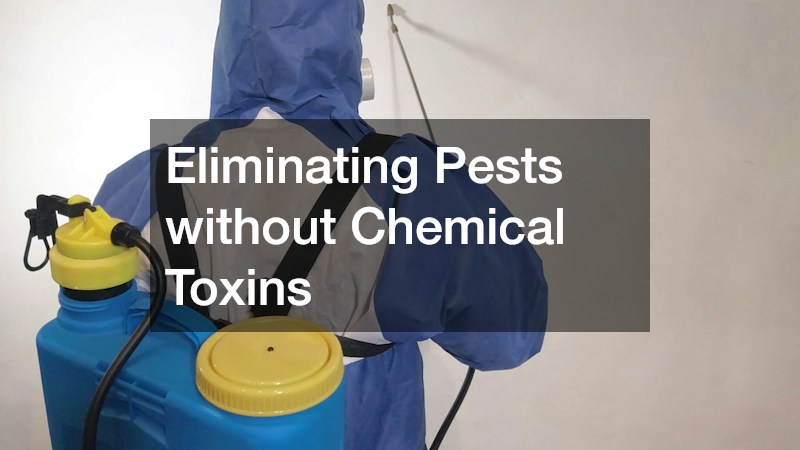
Pests such as rodents, cockroaches, and ants carry dangerous pathogens, drop potent allergens, and damage structural components. Traditional pest elimination methods often rely on synthetic chemical sprays that leave lingering residue on floors, baseboards, and food preparation surfaces. Taking an integrative, non-toxic approach eliminates unwanted critters while protecting your household from synthetic chemical exposures.
Seal Entry Points and Eliminate Food Sources
Pests enter residential properties in search of shelter, water, and food. Preventing infestations requires systematically identifying and sealing small gaps around foundation walls, pipe penetrations, door sweeps, and window screens. Store dry food products, grains, and pet food in airtight glass or stainless-steel containers rather than original paper packaging. Promptly wiping down kitchen counters, vacuuming crumbs from dining spaces, and repairing dripping faucets deprives potential invaders of essential sustenance. Taking away food and moisture sources naturally deters unwanted insects without forcing you to rely on continuous chemical interventions.
Partner with Environmentally Conscious Specialists
When pest issues escalate beyond simple preventive measures, traditional chemical applications can compromise indoor environmental purity. Working with a dedicated eco friendly pest control service ensures that pest problems are resolved using non-toxic baits, mechanical traps, dynamic thermal applications, and botanical repellant solutions. Experienced eco-conscious technicians inspect your home to target the root causes of infestations rather than spraying non-selective chemicals across living spaces. This targeted strategy effectively controls pest populations, safeguards beneficial soil organisms around your home exterior, and keeps indoor surfaces completely free of toxic chemical residue.
Manage Severe Infestations Responsibly
In situations involving structural pests like termites or established colonies of disease-carrying rodents, rapid intervention is essential to prevent structural damage and sanitation issues. Hiring a licensed exterminator who follows integrated pest management protocols guarantees a targeted, efficient strategy that minimizes environmental impact. Professional specialists conduct thorough assessments to pinpoint nesting sites, travel corridors, and structural entrance holes before applying control measures. By focusing interventions directly on the nest rather than broadcasting chemicals throughout common living areas, professionals eliminate structural threats while keeping your family and domestic pets safe from unnecessary exposure.
Choosing Healthy Materials, Surfaces, and Decor
The structural elements, surface materials, and decor items you choose for your interior spaces play a continuous role in shaping your living environment. Synthetic carpets, manufactured composite woods, and low-grade paints often off-gas toxic chemical vapors for months or even years after installation. Choosing durable, natural, non-emitting materials promotes better indoor air quality while creating a timeless, grounding interior aesthetic.
Incorporate Natural Elements and Surfaces
Bringing natural elements into interior spaces supports both physical health and psychological well-being. Incorporating genuine natural stone for kitchen countertops, bathroom vanities, or flooring adds timeless beauty while eliminating synthetic resin off-gassing common in low-cost laminate or engineered surfaces. Dense mineral surfaces are non-porous when sealed properly, preventing mold, mildew, and bacteria from taking root in surface microscopic pores. Cleaning these surfaces requires only mild, non-toxic soap and warm water, reducing your reliance on aggressive chemical sanitizers. Furthermore, the tactile, grounding presence of authentic stone, real timber, and natural clay tiles helps foster a calming connection to nature indoors.
Select Non-Toxic Paints and Finishes
Conventional interior paints, varnishes, and adhesives can release volatile organic compounds into your living spaces for years after application. These airborne compounds cause headaches, dizziness, eye irritation, and long-term health concerns. When repainting walls or refinishing furniture, strictly choose zero-VOC or low-VOC formulations that utilize water-based, natural mineral pigments. Plant-based oils, beeswax, and natural lacquers provide beautiful, durable protective finishes for wooden elements without releasing petroleum-based fumes. Opting for non-toxic finishes guarantees that fresh wall colors and restored furniture do not compromise the purity of your home’s indoor air.
Prioritize Hypoallergenic Textile Choices
Soft furnishings such as carpets, drapes, upholstery, and bed linens act as large physical filters, collecting dust, pollen, and pet dander over time. Synthetic carpet fibers and stain-resistant fabric treatments often release fluorinated chemicals and Flame retardant compounds into household dust. Transitioning to natural textiles like organic cotton, linen, wool, and jute creates a healthier environment while making cleaning easier. Wool rugs possess natural flame resistance and moisture-regulating properties without requiring synthetic chemical additions. Choosing washable organic cotton bedding and natural window drapes allows for frequent laundering in hot water, effectively eliminating dust mites and maintaining clean sleeping areas.
Establishing Daily Habits for Environmental Wellness
While structural maintenance, proper filtration, and non-toxic materials form the foundation of a healthy home, daily habits preserve those benefits over time. Developing simple routines keeps indoor spaces clean, organized, and mentally refreshing.
Institute a Strict No-Shoes Policy
The soles of shoes carry an extraordinary array of dirt, street dust, agricultural pesticides, heavy metals, animal feces, and road pollutants. Walking through your living space in outdoor footwear transfers these hazardous substances directly onto carpets, rugs, and floor surfaces where children play, and pets rest. Establishing a clear no-shoes policy at all entryway doors prevents up to 85% of outdoor contaminants from ever crossing your threshold. Place convenient shoe racks, entry benches, and comfortable indoor slippers near every doorway to make the transition easy for family members and visiting guests.
Practice Daily Source Control and Cleaning
Regular cleaning routines prevent dust accumulation and control biological allergens before they become airborne. Utilize a vacuum cleaner equipped with a certified high-efficiency filter to capture microscopic particles rather than blowing fine dust back into room air. Microfiber cloths dampened with plain water or simple vinegar solutions effectively collect dust from furniture, baseboards, and shelving without leaving chemical film. Avoid synthetic air fresheners, scented aerosol sprays, and artificial candles, as these products release phthalates and synthetic fragrances directly into your breathing area. Use essential oil diffusers or open windows briefly each day to naturally refresh indoor air.
A Holistic Plan for a Flourishing Home
Creating a healthy living environment is an ongoing, rewarding process that touches every system and surface in your home. By addressing air quality, protecting water supplies, preventing moisture issues, eliminating pests safely, and selecting natural indoor materials, you construct a physical space that actively nurtures your long-term vitality. Each step forward reduces your body’s daily exposure to environmental stressors, allowing your home to serve its true purpose as a restorative, health-promoting sanctuary. Integrating these thoughtful practices into your household maintenance routine ensures a safer, cleaner, and more vibrant living environment for you and your family for years to come.