Achieving long-term health and maintaining physical independence are among the most important goals a person can pursue. In today’s rapidly evolving medical landscape, health is no longer viewed through a single, narrow lens. Instead, true well-being relies on a comprehensive, integrated approach that bridges the gap between active preventive fitness, targeted physical rehabilitation, and cutting-edge clinical interventions. When these different facets of health work in harmony, individuals can overcome physical limitations, manage chronic conditions, and enjoy a higher quality of life at every age.
Understanding how to navigate the vast array of available health options empowers patients and families to make informed decisions tailored to their unique needs. Whether recovering from an acute injury, managing long-term metabolic health, exploring alternative therapies, or adapting to changes in physical movement, a multi-disciplinary approach yields the best outcomes. This guide explores ten foundational pillars of modern healthcare, demonstrating how combining personal movement strategies with specialized medical care creates a resilient framework for lifelong vitality and freedom of movement.
1. Establishing a Strong Foundation in Primary Care
The journey toward lifelong health begins with a consistent, trusting relationship with primary healthcare providers. Routine medical care serves as the ultimate line of defense against chronic illness, providing a baseline for monitoring vital health metrics such as blood pressure, cholesterol levels, glucose tolerance, and organ function. Regular evaluations allow healthcare professionals to identify subtle health changes before they develop into serious medical complications.
During routine visits to a primary doctor office, patients receive comprehensive health assessments, diagnostic blood panels, and preventative screenings tailored to their age and risk factors. These visits also offer a safe, confidential environment to discuss lifestyle concerns, sleeping habits, stress management, and physical pain, laying the groundwork for personalized treatment plans that support overall vitality.
Key benefits of ongoing primary health management include:
- Early Disease Detection: Identifying hypertension, metabolic dysfunction, or cardiovascular risks early drastically improves long-term treatment success.
- Care Coordination: Receiving appropriate referrals to specialized clinics, diagnostic imaging centers, and physical specialists when complex health needs arise.
- Preventative Guidance: Updating essential immunizations, health screenings, and lifestyle recommendations based on evolving clinical standards.
Maintaining a proactive schedule with your primary healthcare provider ensures that all other health and wellness initiatives are built upon a safe, clinically supervised foundation.
2. Rebuilding Strength and Function Through Physical Recovery
Injury, surgery, or chronic joint disease can severely impair a person’s ability to move comfortably and perform daily tasks. Recovering functional movement requires targeted interventions designed to restore range of motion, build supporting muscle strength, and retrain movement mechanics. Without proper guidance during the recovery phase, individuals risk developing compensatory movement patterns that lead to secondary joint strain and chronic pain.
Engaging in structured physical rehabilitation programs allows individuals to recover safely under expert clinical oversight. These customized programs focus on decreasing inflammation, rebuilding localized muscle tissue, and restoring normal movement patterns following orthopedic surgeries, athletic injuries, or neurological events.
Core goals of structured physical recovery programs:
- Pain Reduction: Utilizing gentle manual therapy, ultrasound, electrical stimulation, and targeted ice or heat therapy to alleviate acute discomfort.
- Functional Restoration: Retraining natural movement patterns required for walking, climbing stairs, lifting objects, and carrying out work duties.
- Secondary Injury Prevention: Strengthening surrounding stabilizer muscles to protect compromised joints and prevent future physical relapses.
A dedicated recovery plan provides the essential bridge between initial medical treatment and a full return to an active, independent lifestyle.
3. Hands-On Interventions and Movement Optimization
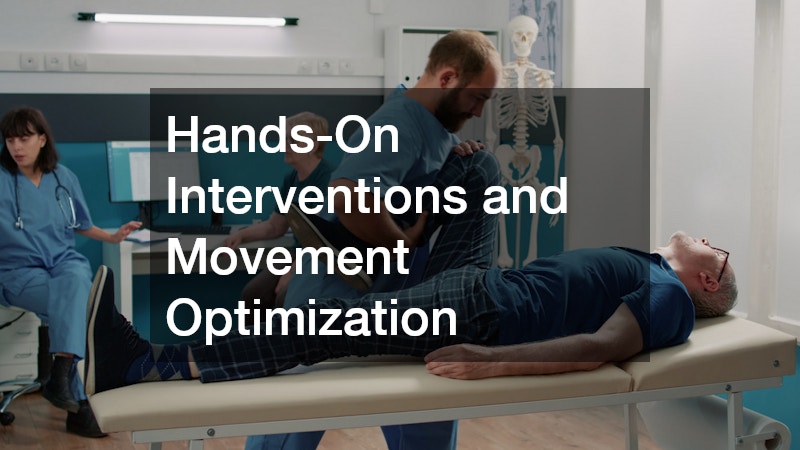
While structured clinical programs provide the blueprint for recovery, hands-on, individualized treatment from skilled movement specialists ensures that exercises are executed safely and effectively. Movement mechanics vary significantly from person to person, making personalized adjustments critical for achieving optimal biomechanical alignment.
Partnering with experienced local physical therapists provides patients with one-on-one evaluations, gait analysis, and tailored manual therapies. These specialists assess muscular imbalances, joint restrictions, and movement flaws, creating customized home exercise plans that empower patients to take an active role in their ongoing recovery.
What to expect from specialized movement care:
- Comprehensive Biomechanical Assessments: Identifying the root cause of pain rather than merely treating localized symptoms.
- Targeted Manual Therapy: Utilizing soft-tissue mobilization, joint mobilization, and dry needling to release persistent muscle tightness and improve joint mobility.
- Ergonomic and Postural Guidance: Adjusting daily workplace setups and sleeping postures to relieve continuous stress on vulnerable spinal structures.
Working closely with qualified physical therapists builds long-term physical confidence and equips patients with the tools needed to maintain joint health independently.
4. Comprehensive Metabolic Management and Weight Health
Body composition plays a profound role in overall mobility, cardiovascular health, and joint longevity. Excess weight places continuous biomechanical stress on the lower back, hips, knees, and ankles, often accelerating joint degeneration and compounding chronic pain. Addressing weight management through structured, science-backed clinical programs offers a sustainable path toward improved metabolic health and physical freedom.
Enrolling in a medically supervised medical weight loss program ensures that weight management is approached as a complex physiological process rather than a simple matter of willpower. These comprehensive programs evaluate underlying metabolic drivers, hormonal balances, resting metabolic rates, and dietary habits to create safe, sustainable weight reduction strategies.
Key elements of clinical metabolic management include:
- Comprehensive Blood and Biomarker Testing: Assessing thyroid function, insulin sensitivity, lipid profiles, and micronutrient levels to address metabolic roadblocks.
- Behavioral and Nutritional Coaching: Establishing sustainable eating habits, meal planning strategies, and behavioral adjustments that support long-term weight maintenance.
- Supervised Exercise Integration: Designing low-impact physical activity plans that burn calories while protecting compromised joints from excessive impact.
By prioritizing metabolic balance under clinical guidance, individuals can achieve lasting weight reduction that dramatically lightens the load on weight-bearing joints and improves cardiovascular endurance.
5. Modern Pharmacotherapy and Advanced Weight Reduction Options
In recent years, medical science has made extraordinary breakthroughs in understanding the physiological mechanisms that regulate appetite, satiety, and metabolic rate. For many individuals, lifestyle changes alone may not overcome deep-seated metabolic resistance, making advanced pharmaceutical tools a valuable component of comprehensive care.
Integrating modern GLP-1 and dual-action weight loss injections into a broader wellness plan offers an effective tool for regulating blood sugar, reducing systemic inflammation, and managing appetite cues. These prescription therapies mimic naturally occurring gut hormones that signal fullness to the brain and delay gastric emptying, making adherence to a calorie-controlled, nutrient-dense diet significantly easier.
Benefits of advanced pharmaceutical support in metabolic care:
- Significant Appetite Regulation: Minimizing intense food cravings and emotional eating behaviors that disrupt long-term weight management goals.
- Enhanced Insulin Sensitivity: Improving how the body processes glucose, reducing the risk or severity of type 2 diabetes and metabolic syndrome.
- Sustained Weight Reduction: Supporting significant, long-term body mass reduction that relieves chronic pressure on lower-body joints.
When combined with healthy nutrition and physical activity, modern weight management medications provide powerful support for achieving transformational health improvements.
6. Emerging Cellular and Regenerative Therapies
As research into regenerative medicine expands, healthcare providers are increasingly utilizing targeted molecular therapies to support cellular repair, optimize hormone production, and accelerate soft tissue recovery. These innovative treatments aim to enhance the body’s natural healing pathways at a fundamental cellular level.
Exploring peptide therapy offers promising avenues for individuals seeking to enhance athletic recovery, improve sleep quality, support immune function, and boost lean muscle growth. Peptides are short chains of amino acids that act as precise signaling molecules within the body, instructing cells to perform specific restorative functions, such as releasing growth factors or repairing damaged tissue.
Common applications of specialized peptide protocols:
- Tissue Repair and Recovery: Accelerating the healing of tendons, ligaments, and muscle fibers following strenuous exercise or acute injury.
- Metabolic and Growth Support: Stimulating natural growth hormone secretion to promote lean muscle maintenance and efficient fat metabolism.
- Anti-Inflammatory Action: Modulating systemic immune responses to reduce chronic inflammation and joint discomfort.
Incorporating cutting-edge cellular signaling therapies under proper medical supervision opens exciting possibilities for optimizing tissue repair, energy levels, and long-term physical resilience.
7. Alternative Symptom Management and Legal Cannabis Care

Managing chronic pain, severe muscle spasticity, nausea, and persistent insomnia often requires exploring options beyond traditional pharmaceuticals. For many patients, alternative plant-based therapies provide effective, well-tolerated relief that complements their overall care strategy.
Visiting a certified marijuana doctors office allows patients to explore state-approved medical cannabis options under the guidance of licensed medical professionals. These clinical consultations evaluate a patient’s medical history, current medications, and specific symptoms to determine if medical cannabis is a safe and appropriate therapeutic option.
Key aspects of medical cannabis consultations:
- Qualifying Condition Evaluation: Confirming that a patient’s diagnosed condition meets state-specific statutory criteria for medical cannabis authorization.
- Dosing and Delivery Education: Guidance on choosing appropriate delivery methods—such as tinctures, topicals, capsules, or vaporizers—and establishing minimal effective dosages.
- Drug Interaction Monitoring: Ensuring that cannabis use does not interfere negatively with existing prescription medications or treatment plans.
Integrating regulated, alternative symptom management options offers patients a personalized pathway to alleviate discomfort and improve daily quality of life.
8. Adaptive Equipment and Community Independence
Maintaining personal autonomy and freedom of movement is essential for emotional well-being and life satisfaction. When progressive age, severe neurological conditions, or chronic joint disease limit walking endurance, adaptive mobility devices provide vital support for navigating the community.
Utilizing a modern mobility scooter grants individuals with limited physical endurance the freedom to travel through shopping centers, parks, neighborhood events, and medical facilities without physical exhaustion or fall risks. These powered devices offer comfortable seating, intuitive controls, and impressive battery ranges, allowing users to remain actively engaged in community life.
Key advantages of personal mobility technology:
- Preserving Independence: Empowering users to complete errands, attend social gatherings, and travel without constant reliance on caregivers.
- Preventing Fatigue and Falls: Reducing the physical strain associated with long-distance walking, thereby lowering the risk of accidental falls.
- Enhanced Comfort: Ergonomically designed seating and adjustable tillers accommodate various physical needs and postural requirements.
Integrating high-quality adaptive equipment ensures that physical limitations do not translate into social isolation, allowing individuals to maintain an active, fulfilling lifestyle.
9. Specialized Surgical Innovations and Ophthalmic Excellence
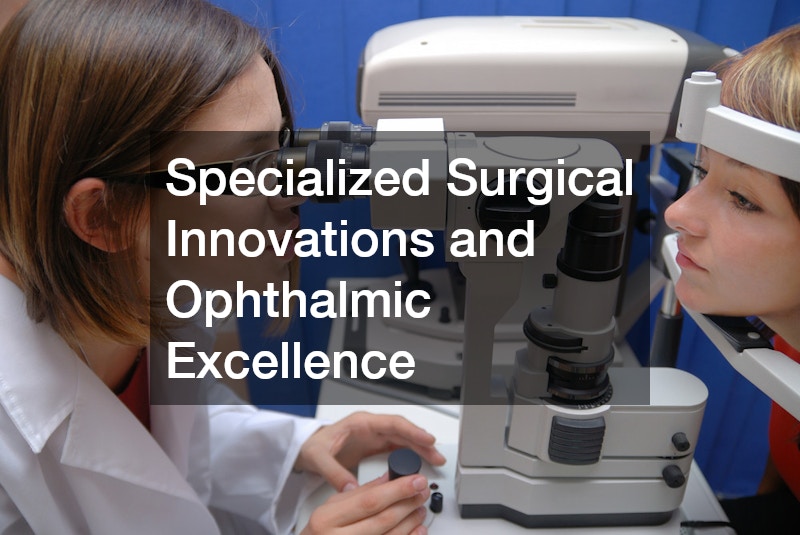
While lifestyle modifications, rehabilitation, and adaptive technology support physical mobility, preserving sensory health—particularly clear vision—is equally essential for maintaining independence and safety. Advanced surgical technology has revolutionized the field of ophthalmology, allowing surgeons to perform intricate ocular procedures with unprecedented precision.
In specialized eye care centers, advanced equipment like the Alcon Constellation Vision System provides surgeons with state-of-the-art technology for performing complex vitreoretinal procedures. This high-performance surgical platform integrates high-speed vitrectomy cutters, precise fluidics control, and advanced illumination systems, enabling delicate microsurgical treatments for retinal detachments, diabetic retinopathy, and macular holes.
Impact of advanced surgical systems on patient outcomes:
- Unmatched Surgical Precision: Advanced fluidic management maintains stable intraocular pressure throughout delicate retinal procedures.
- Reduced Recovery Times: High-speed micro-incisions minimize tissue trauma, supporting faster postoperative healing and visual recovery.
- Preservation of Sight: Restoring or stabilizing clear vision directly protects a patient’s ability to walk safely, drive, and maintain independence.
Access to cutting-edge surgical technology ensures that sensory health and visual clarity are protected, directly supporting overall safety and physical confidence.
10. Long-Term Maintenance Through Community Active Living
Once acute medical needs are addressed, rehabilitation is complete, and mobility is stabilized, maintaining health requires an ongoing commitment to physical activity. Engaging in consistent exercise strengthens the cardiovascular system, maintains bone density, improves joint flexibility, and boosts mental health. Creating a sustainable daily habit is far easier when you have access to diverse exercise modalities tailored to your individual physical requirements and fitness goals.
Joining local fitness clubs offers a structured, supportive environment for incorporating regular physical exercise into your weekly routine. Modern health clubs provide access to diverse equipment—including low-impact stationary bicycles, elliptical trainers, resistance machines, and heated swimming pools—allowing individuals of all fitness levels to exercise safely and comfortably.
Benefits of structured community exercise facilities:
- Low-Impact Exercise Options: Access to swimming pools and aquatic classes that allow joint-friendly cardiovascular conditioning without excessive mechanical stress.
- Social Connection and Motivation: Exercising alongside peers fosters community support, accountability, and long-term consistency in maintaining active wellness habits.
- Professional Supervision: Access to certified personal trainers who can adapt exercise programs to accommodate past injuries or physical limitations safely.
Establishing a regular fitness routine in a welcoming environment reinforces all prior medical and rehabilitative efforts, ensuring long-term strength, vitality, and functional mobility for years to come.
Achieving and preserving lifelong vitality is a continuous journey that thrives on a balanced, integrated approach to care. By combining proactive primary medicine, specialized physical therapy, advanced clinical treatments, and active community fitness, individuals can build a comprehensive health framework that adapts to life’s changing demands. Prioritizing both physical movement and cutting-edge healthcare options empowers you to overcome physical challenges, safeguard your independence, and enjoy a vibrant, active future across every stage of life.